
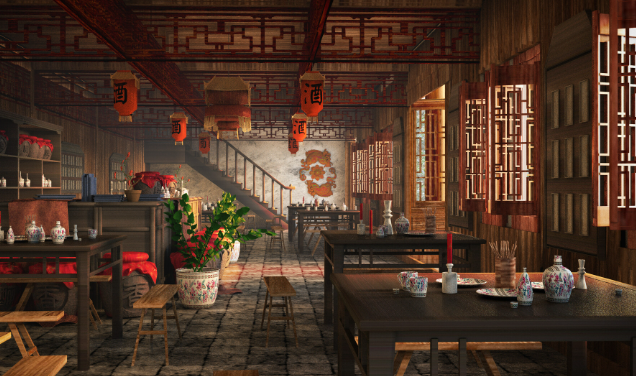
Chinese restaurant dishes can turn an ordinary gathering into a meal filled with conversation, discovery, and memorable flavors. The cuisine naturally supports communal dining because many preparations work beautifully when placed in the center of the table. Guests can reach for dumplings, share roasted meats, sample seafood, pass bowls of noodles, and balance richer dishes with fresh vegetables. This format https://www.newhongkongchineserestaurant.com/ creates more than variety. It encourages interaction as diners exchange recommendations, compare flavors, and discover unexpected favorites together. A memorable gathering does not require an enormous menu. The strongest tables usually combine contrasting textures, different cooking techniques, varied seasoning levels, and dishes that suit several preferences. Crispy appetizers can begin the meal, while fragrant soups, savory proteins, colorful vegetables, and comforting rice or noodles build the main spread. Thoughtful combinations allow every dish to contribute something distinctive while keeping the overall experience cohesive.
Begin With Shareable Appetizers
The first dishes can establish the atmosphere for the entire gathering. Spring rolls, dumplings, scallion pancakes, and other small plates give everyone an easy opportunity to start tasting. Their individual portions make sharing simple, especially when guests have different preferences. A few dipping sauces can add even more variety through vinegar, soy, sesame, or chili. Starting with smaller dishes also gives the group time to settle into conversation before larger plates arrive. These opening selections should provide appealing textures and flavors without making the table feel too heavy.
Dumplings Encourage Conversation
Dumplings naturally create interaction because diners can sample several varieties from one shared plate. Pork fillings can provide savory richness, shrimp can introduce sweetness, and vegetable or mushroom options offer earthy freshness. Steamed dumplings bring soft wrappers, while pan-fried versions create crisp edges. Guests can also experiment with dipping sauces to adjust the flavor of each bite. Passing a mixed dumpling selection around the table gives everyone an opportunity to compare favorites and recommend combinations to one another.
Roast Duck Creates a Centerpiece
Roast duck can give a gathering a sense of occasion. Its fragrant skin and tender meat provide a rich contrast to lighter dishes, while sauces and fresh accompaniments can create balance. Guests can combine the duck with rice, vegetables, pancakes, or other shared selections. Because diners can take smaller portions, the dish does not need to become the sole focus of the meal. Its texture and aroma simply add another memorable element to the table.
Char Siu Brings Familiar Warmth
Char siu can offer a comforting combination of sweetness, savory seasoning, and roasted aroma. Its caramelized exterior pairs naturally with steamed rice, noodles, and fresh vegetables. The dish can appeal to diners who prefer balanced flavors rather than intense spice. Sliced portions make it convenient for sharing, and guests can create different combinations with the accompanying dishes. Including char siu alongside seafood or vegetable specialties also introduces a useful contrast between rich and fresh flavors.
Seafood Adds Elegance
Seafood can bring a lighter and more refined quality to a group meal. Steamed fish with ginger and scallions highlights delicate flavors, while garlic shrimp can offer stronger aromatic notes. Squid and shellfish introduce different textures and can work well with rice or vegetables. Seafood also demonstrates how Chinese cooking techniques can produce very different results from similar ingredients. A shared seafood plate gives guests something fresh to enjoy between richer meats and heavily seasoned dishes.
Vegetables Keep the Table Balanced
Vegetable dishes can provide color, freshness, and textural contrast. Chinese broccoli, bok choy, snow peas, mushrooms, eggplant, and leafy greens can all receive distinctive preparations. Wok cooking can preserve crispness while adding garlic and ginger, while braising can create softer textures and richer sauces. Vegetables help prevent a shared table from becoming dominated by meat and fried foods. They also give diners who prefer lighter selections several satisfying choices.
Noodles Bring Comfort
Noodles can make a gathering feel generous and relaxed. Stir-fried noodles provide chewy textures and fragrant wok aromas, while noodle soups add warmth and soothing broth. Beef, pork, shrimp, mushrooms, and vegetables can all change the character of the dish. A large shared noodle plate allows guests to take modest portions while continuing to enjoy other foods. This flexibility makes noodles a dependable part of a group meal.
Fried Rice Completes the Spread
Fried rice offers familiar comfort while adding another texture to the table. Eggs, vegetables, scallions, shrimp, chicken, or pork can provide additional flavor. High-heat cooking creates fragrance and allows the ingredients to blend naturally. Guests can pair rice with roast duck, seafood, vegetables, tofu, or spicy dishes. Its mild foundation makes it especially useful when the table includes several strongly seasoned preparations.
Tofu Offers Versatility
Tofu can fit naturally into gatherings because its texture and flavor change with different preparations. Silken tofu provides a delicate mouthfeel, while fried tofu offers crisp edges and a firmer center. Braised tofu can absorb savory sauces, garlic, ginger, chili, or fermented seasonings. These variations give diners a chance to explore different textures without ordering several separate protein dishes. Tofu can also provide a useful balance when the table already contains several rich meats.
Soup Slows the Pace
A shared soup can introduce warmth and create a natural pause during a busy gathering. Clear broths may highlight mushrooms, vegetables, seafood, ginger, and scallions, while richer versions can include meat or tofu. Guests can serve themselves small portions throughout the meal. Soup also provides a softer texture between crispy and heavily seasoned foods. Its presence encourages diners to slow down, continue conversations, and enjoy the meal at a more comfortable pace.
Spring Rolls Add Crunch
Crispy spring rolls can provide an immediate textural contrast to soft noodles and tender meats. Vegetable, meat, or seafood fillings create different flavor directions, while dipping sauces introduce additional sweetness, acidity, or spice. Because diners can share individual pieces, spring rolls work particularly well for groups. Their crisp texture can also keep the meal lively when several other dishes have softer preparations.
Combine Different Textures
Texture plays a major role in making a gathering memorable. Crispy appetizers can sit beside chewy noodles, tender meat, silky tofu, crunchy vegetables, and juicy dumplings. This variety keeps each bite distinct and prevents the meal from feeling repetitive. Cooking methods create much of this contrast. Frying produces crisp surfaces, steaming preserves tenderness, braising creates softness, and wok cooking can retain vegetable crunch. Selecting different techniques can therefore improve the overall experience.
Balance Bold and Gentle Flavors
A group meal often includes diners with different preferences, so flavor balance matters. Spicy dishes can pair with mild rice or delicate seafood, while rich meats can sit beside fresh vegetables. Tangy dishes can brighten fried foods, and lightly seasoned soups can provide relief between stronger selections. This structure allows everyone to move around the table according to their preferences. No single flavor needs to dominate the gathering.
Explore Regional Specialties
Regional dishes can make a gathering more memorable by introducing distinct culinary traditions. Sichuan cooking often features chili, Sichuan peppercorns, garlic, and fermented ingredients. Cantonese cuisine frequently emphasizes fresh ingredients and balanced seasoning. Northern Chinese traditions include many wheat-based dishes, while coastal areas offer numerous seafood preparations. Choosing a regional specialty can give guests something to discuss as they compare it with more familiar dishes.
Use Sauces to Add Character
Sauces can transform shared dishes without requiring additional plates. Soy sauce adds savory depth, vinegar brings acidity, sesame contributes nuttiness, and chili creates heat. Sweet sauces can complement roasted meats, while fermented sauces add earthy complexity to tofu and vegetables. Guests can use small amounts to adjust each bite according to their preferences. This flexibility makes the dining experience more interactive because everyone can create slightly different flavor combinations.
Include Fresh Accompaniments
Fresh ingredients can help balance rich or spicy dishes. Cucumber, scallions, leafy greens, herbs, and lightly pickled vegetables can introduce crispness and acidity. These accompaniments work particularly well with roast duck, char siu, fried foods, and rich noodles. Their freshness prevents the meal from feeling overly heavy. They can also provide visual contrast, adding brighter colors to a table filled with roasted and sauced dishes.
Think About Portion Variety
A memorable gathering does not depend on ordering enormous portions of every dish. Smaller shared plates often create more opportunities for discovery. Guests can taste several foods, return to their favorites, and leave room for later courses. This approach also reduces waste and makes it easier to accommodate different appetites. The goal involves creating enough variety for everyone to participate without allowing the table to become crowded with unnecessary choices.
Let Everyone Choose
Giving each guest a chance to select one dish can make the gathering feel more personal. One person might choose seafood, another may prefer noodles, and someone else may introduce a vegetable specialty. Combining these choices creates a menu that reflects the group’s different tastes. It also encourages guests to explain why they selected a particular dish. Food becomes part of the conversation before the first bite even reaches the table.
Keep Familiar Favorites
Familiar foods can provide an important sense of comfort when a group wants to experiment. Fried rice, dumplings, noodles, or roast meats can act as dependable anchors while unfamiliar regional dishes add curiosity. Guests do not need to enjoy every new preparation. They can return to trusted favorites whenever they want. This combination of familiarity and exploration makes group dining more welcoming for people with different levels of culinary adventure.
Pair Tea With the Meal
Tea can complement both the food and the atmosphere of a gathering. Jasmine tea brings floral fragrance, green tea offers freshness, and oolong provides deeper roasted notes. Pu-erh can accompany richer foods with its earthy character. Sharing a pot creates a natural opportunity for conversation between dishes. Tea can also refresh the palate after spicy, fried, or strongly seasoned selections, helping diners appreciate the next dish more clearly.
Leave Space for Dessert
Dessert can provide one more shared discovery before the gathering ends. Restaurants may offer sesame sweets, rice-based desserts, sweet soups, fruit preparations, or other regional specialties. Ordering a couple of options allows guests to sample different flavors without making the final course too heavy. A shared dessert also keeps the communal spirit intact. Everyone can try a little, compare preferences, and finish the meal on a lighter note.
Create Flavor Contrast
The best tables often combine different levels of richness, spice, sweetness, acidity, and savoriness. A rich roasted meat can meet crisp vegetables, while spicy noodles can pair with plain rice. Seafood can offer freshness, and tangy accompaniments can brighten fried dishes. These relationships make each plate more interesting because diners can move between contrasting flavors. A meal with deliberate variety feels more complete than one filled with dishes that all taste alike.
Make the Gathering Interactive
Chinese restaurant dining becomes more memorable when guests actively participate. Passing dishes, mixing sauces, comparing textures, and recommending favorites can create moments that extend beyond the food itself. Shared dining gives everyone a role in shaping the experience. Even a simple dish can become memorable when someone discovers it for the first time or introduces a favorite combination to the group. The interaction surrounding the meal can become just as meaningful as the menu.
Choose Dishes With Purpose
Every selection can contribute something different to the overall table. One dish might provide richness, another freshness, another crunch, and another warmth. Thinking about these roles helps prevent unnecessary repetition. If the table already contains several fried foods, a steamed seafood dish can provide balance. If the meal includes many mild dishes, a spicy specialty can add excitement. Purposeful ordering creates harmony without sacrificing variety.
Let the Menu Reflect the Occasion
Different gatherings call for different combinations. A casual lunch may focus on noodles, dumplings, vegetables, and rice, while a celebratory dinner might include roast duck, seafood, regional specialties, and shared appetizers. Weekend gatherings can emphasize relaxed dishes that guests can enjoy slowly. The menu should support the mood rather than compete with it. When food matches the occasion, the entire dining experience feels more natural.
Build a Table Worth Remembering
Chinese restaurant dishes can transform gatherings through variety, contrast, and communal sharing. Dumplings provide easy-to-share beginnings, roast duck and char siu add depth, seafood introduces freshness, and vegetables keep the table balanced. Noodles and fried rice bring comfort, while tofu and soup expand the range of textures and flavors. Regional specialties can introduce new culinary traditions, and sauces allow diners to customize individual bites. Tea creates natural pauses, while shared desserts offer a final opportunity for discovery. When guests choose dishes with different purposes and allow everyone to participate, the meal becomes more than a collection of plates. It becomes a social experience where flavors encourage conversation, curiosity, and connection.


